
Why First Impressions Matter for Motorcycle Instructors
Jan
Why First Impressions Matter for Motorcycle Instructors
Introduction: The Power of First Impressions
Have you ever wondered ‘Why First Impressions Matter for Motorcycle Instructors’. This is because the moment a customer steps into the training environment, they begin to form opinions that will significantly influence their learning experience and perception of their chosen place of training.
First impressions count
A motorcycle instructor’s role extends beyond mere technical teaching. It involves being an ambassador ATB, of safety and professionalism.
This first interaction is crucial, it sets the tone for the relationship and can greatly impact a student’s motivation and confidence. Ensuring that this first impression is positive and professional is not just beneficial, it’s essential.
Personal appearance
An instructor’s personal appearance and the state of the training facility are immediate indicators of their professionalism. Instructors should consider how their grooming, attire and overall demeanour reflect their commitment to safety and education.
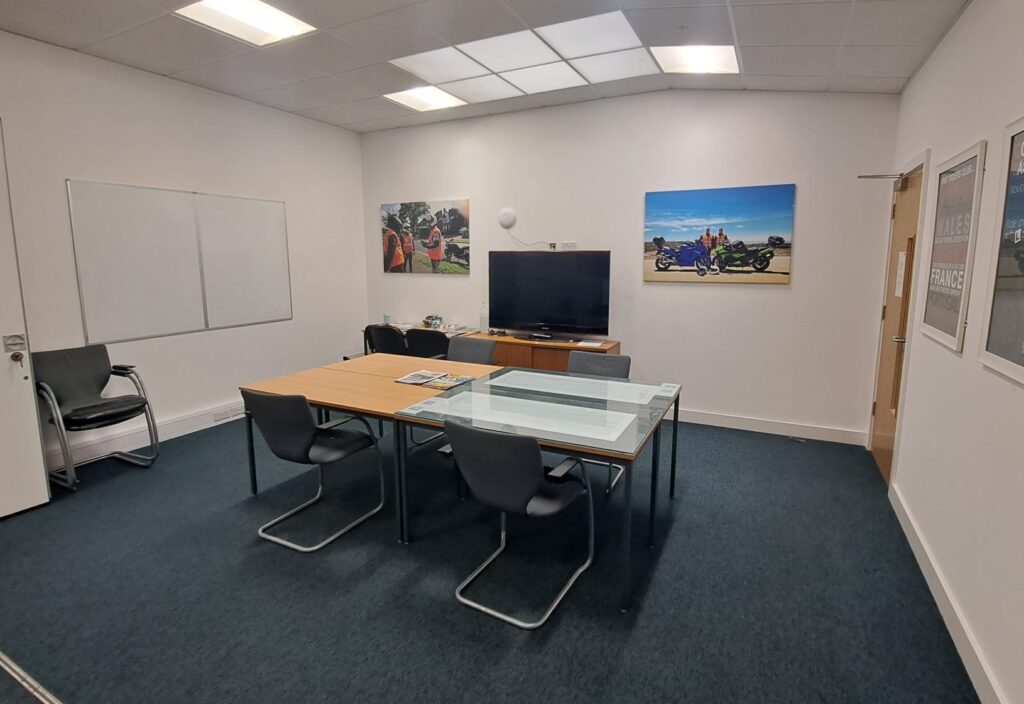
This extends to the training environment as well. It should be clean, well-organised, and bright facilities make a strong impression of competence and care, which helps in building trust and respect from the start.
Motorcycle condition
Motorcycles used in training must also reflect high standards. They should not only be mechanically sound but also clean and well-maintained. This attention to detail shows students that their safety is taken seriously, and that proper maintenance is part of being a responsible training school.
Instructors who emphasise these aspects of their professional presence can instil confidence in their students, fostering a more engaging and effective learning atmosphere.
Impact of Appearance and Environment
A professional appearance goes beyond clean clothing; it encompasses the entire persona an instructor presents. This includes everything from the neatness of attire to the approachability. This is why First Impressions Matter for Motorcycle Instructors!
Look the part
When instructors look the part, they command respect and attention, making it easier to convey important safety messages and instructions. Their professional image should inspire confidence, showing students that they are not only approachable but also knowledgeable and serious about their role.
The training facility
The environment in which training occurs is just as critical as personal appearance. A cluttered, poorly maintained training facility can be distracting and may even raise concerns about the instructor’s commitment to safety and quality education.
In contrast, a clean, orderly and well-equipped training space sends a message of professionalism and efficiency. It makes the learning process more pleasant and effective, as students are likely to feel they are in a safe, conducive learning environment.
The training tools
Motorcycles are central to the training process, and their condition can significantly affect an ATB’s image. Well-maintained bikes not only ensure safety but also demonstrate the instructor’s commitment to high standards.
Regular checks for roadworthiness and cleanliness should be a routine part of preparation for each training session. Instructors can use these practices as a teaching opportunity, highlighting the importance of regular maintenance and care in motorcycle ownership and operation.
Communication Skills
Effective communication is the cornerstone of successful instruction. Instructors must be clear and articulate, making complex ideas understandable and accessible.
They should also be able to read their audience, adapting their delivery to meet diverse learning styles. This might involve using a variety of teaching methods, such as verbal explanations, demonstrations, and hands-on practise, all tailored to enhance understanding and retention.
Supportive environment
Positive reinforcement and constructive feedback are vital components of good communication. Instructors should strive to create a supportive environment where students feel valued.
This involves not just correcting mistakes, but also acknowledging successes. Such an approach can boost confidence and motivation among students, making them more receptive to education, eager to improve and learn more.
Engaging tuition
Instructors should also ensure that their communication is not just informative but also engaging. This means employing a friendly yet respectful tone, using humour appropriately (but not the class clown), and showing genuine interest in students’ progress.
By fostering an open and interactive atmosphere, instructors can make learning more enjoyable and effective, encouraging students to participate actively and ask questions without hesitation.
Behavioural Aspects – More Than Words
Instructors’ body language and demeanour are powerful communication tools that can enhance or undermine their verbal messaging (Why First Impressions Matter for Motorcycle Instructors).
Good body language
Positive body language, such as maintaining eye contact, using open gestures, and positioning oneself at an accessible level to students, can make instructors appear more approachable and engaged.
In contrast, negative body language, such as rolling eyes, lack of empathy, or an overly stern expression, can create barriers to communication and education.
Calm and constructive
Emotional regulation is crucial, especially in potentially frustrating scenarios where a student may struggle with a concept or skill. Instructors need to manage their emotions effectively, showing patience and understanding rather than frustration or annoyance.
This helps maintain a positive learning environment and demonstrates professionalism, teaching students how to handle challenges calmly and constructively.
Instill confidence
Instructors should also be aware of the impact of their demeanor on students’ learning experiences. A consistently positive, enthusiastic and encouraging attitude can motivate students and make the learning process more rewarding.
Conversely, a negative or indifferent attitude can demotivate students and hinder their ability to learn effectively. It’s essential for instructors to reflect on how their behaviour affects their students and strive to model the qualities they wish to install in their trainees.
Elevating Your Professional Image
Instructors can start by conducting a thorough self-assessment of their current professional image and making necessary adjustments.
Update your wardrobe
This might involve updating their wardrobe to include more professional attire. Ensure your grooming is impeccable and regularly review the state of your teaching and training materials.
Get into a good habit
Creating a checklist for daily, weekly, and monthly maintenance tasks for both the physical environment and the motorcycles can help ensure that all aspects of the training facility are consistently up to standard.
Additionally, involving students in some of these maintenance routines can not only teach them valuable skills but also reinforce the importance of care and attention to detail. This can be done easily by mimicking the Mod 2 examiners safety questions.
Ask for reviews and feedback
It’s also beneficial for instructors to seek feedback from peers and students. This feedback can provide valuable insights into areas for improvement that might not be obvious from the instructor’s perspective.
Implementing a regular process for gathering and acting on feedback demonstrates a commitment to continuous improvement and professionalism, further enhancing the instructor’s image and effectiveness. Always ask for reviews after training sessions.
Conclusion – Make lasting impressions
Why First Impressions Matter for Motorcycle Instructors. The effort invested in making a good first impression can have long-lasting effects on student engagement and instructional success.
Professional image
Instructors who consistently present themselves professionally and maintain high standards in their teaching environments are more likely to build successful careers.
These instructors not only gain the respect and trust of their students but also contribute positively to the reputation of the ATB and training profession as a whole.
A commitment to change
Try to focus on these key areas, personal appearance, teaching environment, communication skills, and behavior.
By doing this you can significantly enhance your effectiveness and make good first impressions count. This commitment to excellence sets the stage for a rewarding and impactful teaching experience, benefiting both you and your students.
Why First Impressions Matter for Motorcycle Instructors
Created by Simon Hayes
Sponsored by Motorcycle Training App & Logbook
